DeFi
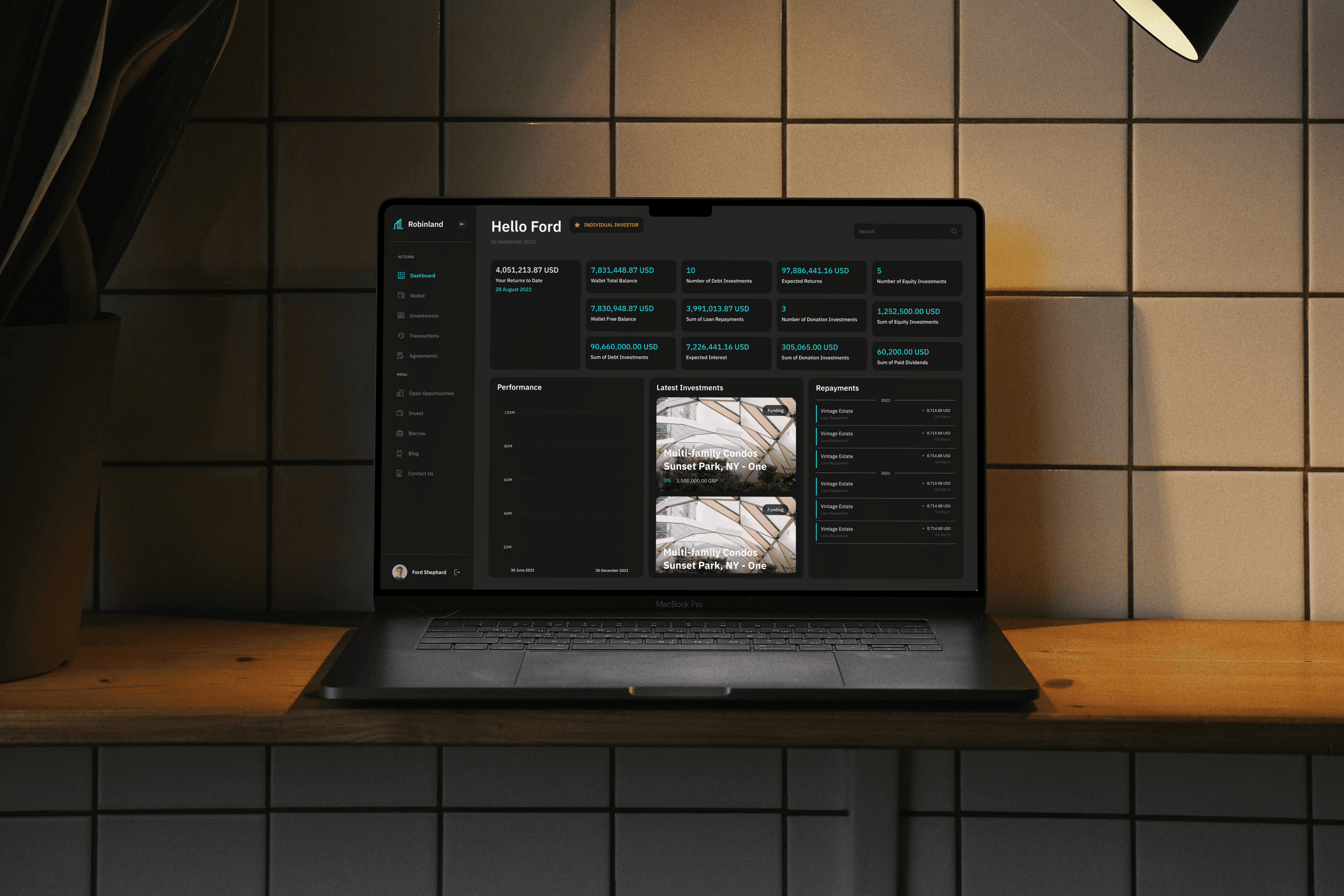
I led the design of the Robinland Web3 real estate platform — shaping a complex investment ecosystem into a clear, trust-driven experience that supported user growth to 70K and positioned the product for acquisition by Tech100’s ARK7.
Product
Desktop & Mobile
Skills
Stakeholder Management
Product Design
Interactive Prototyping
Design Systems
My Role
Lead Designer
Year
2021
Problem
Designing clarity from day one
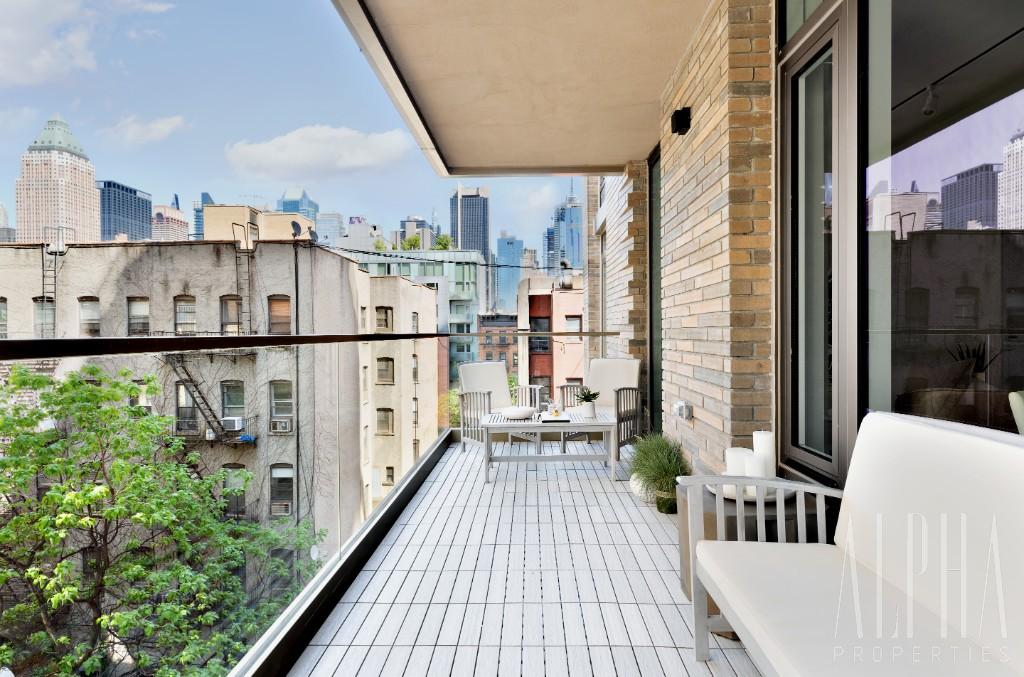
Robinland needed to launch a complex Web3 real estate platform within a year, but speed couldn’t come at the cost of usability. First-time users were entering an unfamiliar environment — blockchain investing, interactive maps, property tokens, and digital ownership models — all at once. The challenge wasn’t just building features quickly, it was ensuring users understood how to use them immediately. The goal was to design an onboarding experience that reduces friction, guides exploration, and gives users confidence from their very first interaction.
Research
Designing for first-time understanding
Original Observations
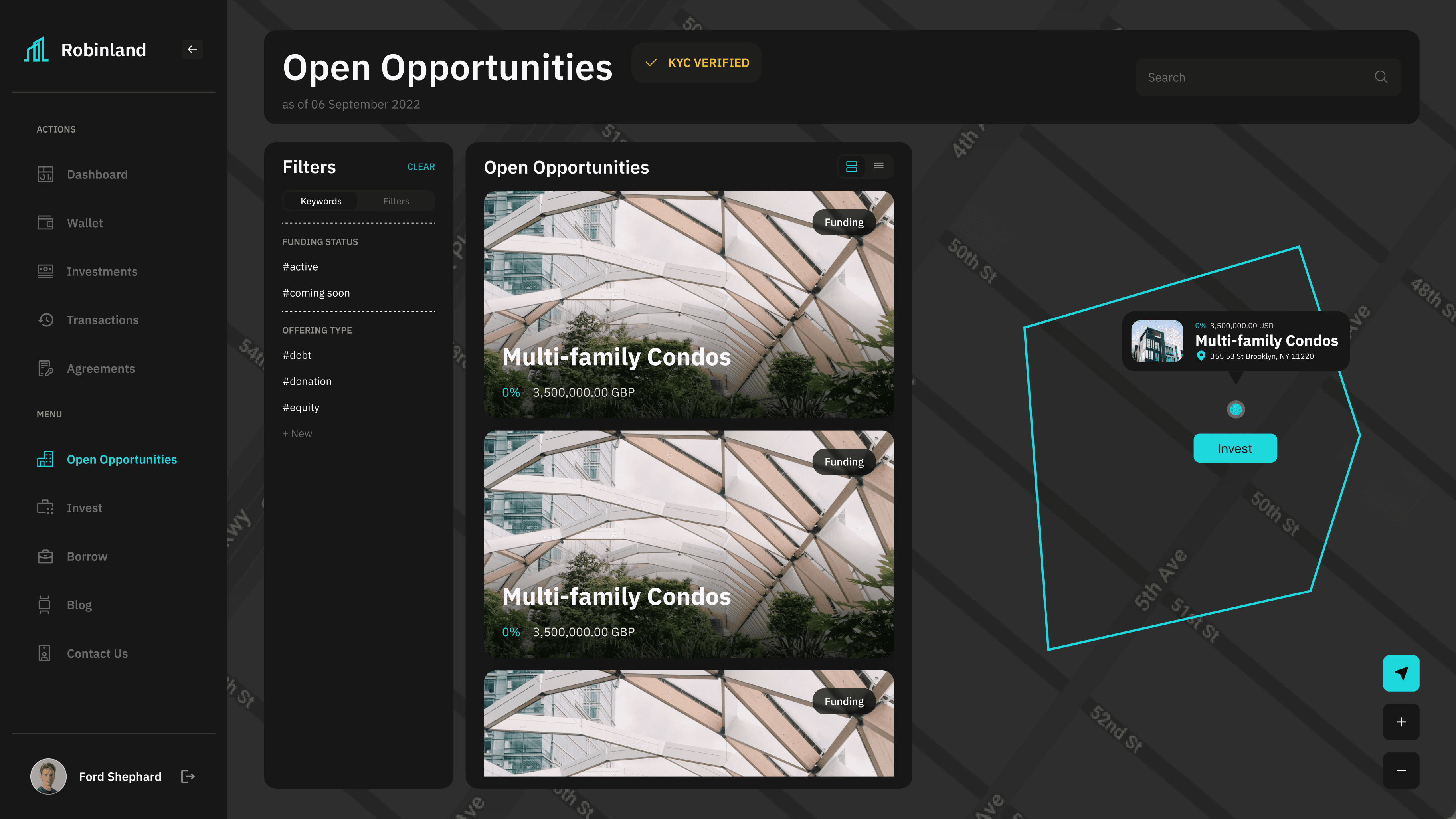
Because Robinland introduced users to a new investment model — combining real estate, blockchain, and interactive mapping — early exploration showed that the biggest risk wasn’t feature gaps, it was comprehension. New users needed orientation before action. Rather than relying on traditional onboarding flows that interrupt the experience, we analyzed how users visually scanned the interface and identified the moments where guidance would be most valuable.
Key observations included
Users needed reassurance before interacting with financial actions
Interactive map elements weren’t immediately understood as actionable
Investment steps weren’t obvious without contextual explanation
Filters and discovery tools were overlooked when not explicitly highlighted
Solution
Guidance built into the interface
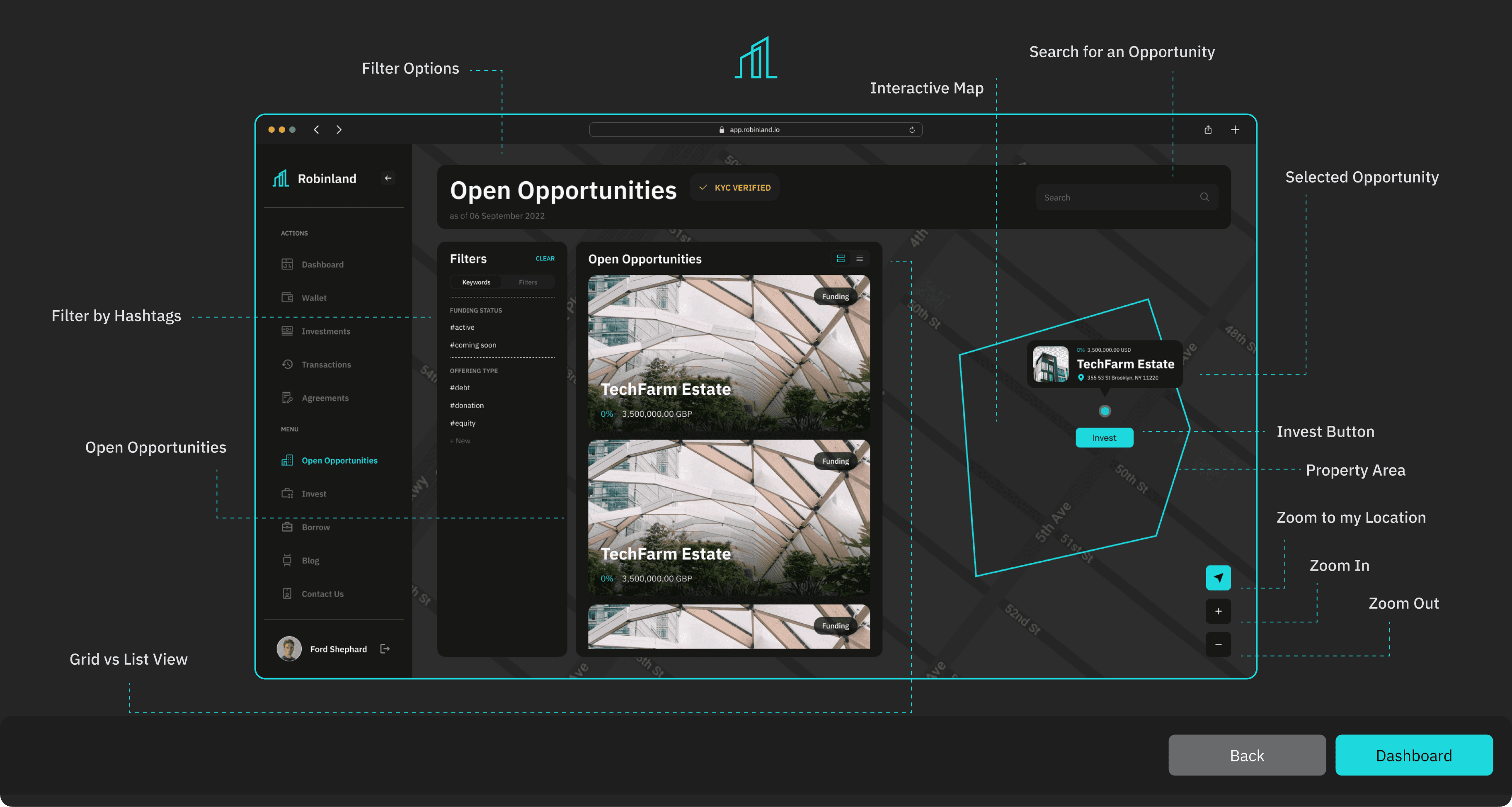
To address these friction points, the experience was redesigned to guide users directly within the interface rather than relying on external onboarding or documentation. Contextual tooltips and visual callouts were strategically placed across key interaction points to explain functionality at the exact moment users needed it.
Key improvements included
Guided labels highlighting filter options so users immediately understood how to refine results
Interactive map callouts clarifying selectable property areas and zoom controls
Clear emphasis on the Invest action to reinforce confidence before financial decisions
Contextual descriptions for selected opportunities to explain what users were viewing
Discovery cues for search and navigation features that might otherwise be overlooked
Takeways
Adoption drives outcomes
Designing for emerging technologies isn’t just about usability — it’s about trust, comprehension, and momentum. By prioritizing first-time clarity, contextual guidance, and intuitive exploration, the platform shifted from concept to traction, helping onboard more than 30,000 users and validating the product’s real-world viability. The result was a solution that didn’t just function well — it proved its value through adoption, engagement, and investor confidence.
That growth ultimately contributed to Robinland’s acquisition by Tech100’s ARK7, demonstrating how thoughtful product design can directly support both user success and business outcomes.
Zuma Restaurant @ New York City, NY